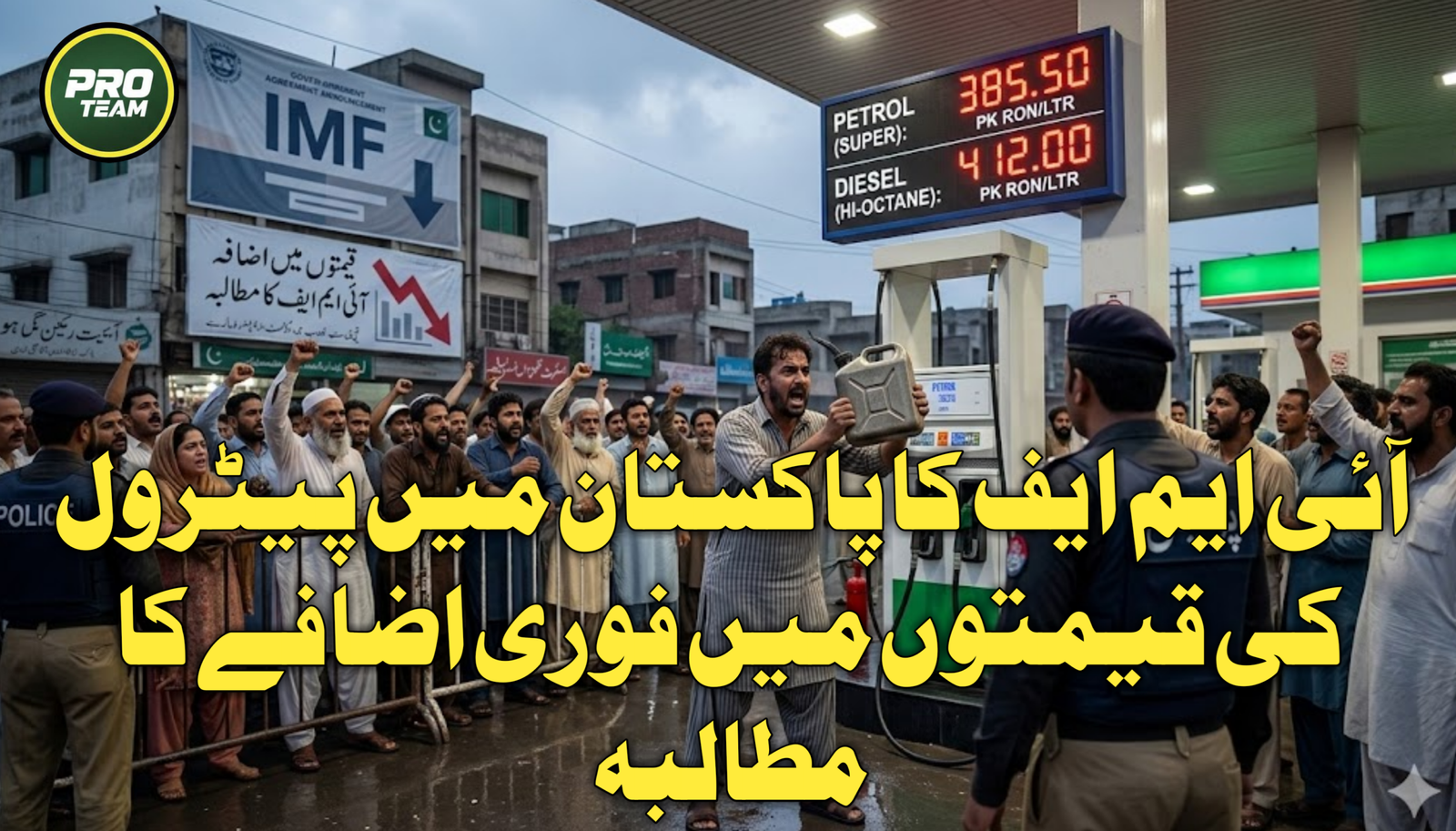
Pakistan is once again facing pressure from the International Monetary Fund (IMF) regarding petroleum prices. According to recent reports, the IMF has asked the Pakistani government to immediately increase the prices of petrol and diesel as part of ongoing economic reforms and bailout program conditions. This demand has raised concerns among the public because fuel price hikes usually lead to higher inflation and increased living costs across the country.
The IMF believes that Pakistan should pass the full impact of rising global oil prices to consumers instead of providing subsidies. Officials say the move is linked to fiscal targets and the need to maintain the Petroleum Development Levy (PDL) collection. If implemented, this decision could affect transportation costs, electricity production, and daily expenses for millions of Pakistanis.
Read More: How to Apply for Birth Certificate

Table of Contents
Why the IMF Is Asking for a Fuel Price Increase
The IMF’s demand is mainly related to Pakistan’s financial agreement with the global lender. The government has committed to certain reforms in order to stabilize the economy and reduce the fiscal deficit.
One of the key conditions is that fuel prices should reflect international market rates. The IMF has also advised the government not to give subsidies on petrol and diesel so that revenue targets are not affected.
At the same time, rising global oil prices due to geopolitical tensions in the Middle East are increasing Pakistan’s import costs. Because the country imports a large portion of its fuel, any rise in international prices quickly impacts the local market.

Recent Petrol and Diesel Price Situation
Recently, Pakistan experienced a sharp increase in fuel prices. The government raised petrol and diesel rates by around Rs55 per litre, pushing petrol prices above Rs320 per litre and diesel above Rs330 per litre. This was one of the largest increases in recent years.
Read More: Web Portal Pakistan Online Registration
Increase in Petrol Prices in Pakistan
| Fuel Type | Approx New Price (PKR per litre) | Increase |
| Petrol | 321+ PKR | Around Rs55 |
| High-Speed Diesel | 335+ PKR | Around Rs55 |
| Kerosene Oil | Varies | Possible increase |
| Light Diesel Oil | Varies | Possible increase |
These price hikes directly affect transportation, agriculture, and electricity generation costs.
Read More: 8070 PSER Ramzan Package
IMF Conditions and Economic Targets
The IMF has also stressed that Pakistan must maintain its revenue targets under the Petroleum Development Levy. According to reports, the government aims to collect over Rs1.4 trillion through the petroleum levy by the end of the fiscal year.
The progress so far shows that more than 60% of the target has already been achieved in the first half of the fiscal year. However, authorities still need to continue the policy of adjusting fuel prices to meet the remaining target.
| IMF Requirement | Purpose |
| Increase petrol and diesel prices | Align with global market rates |
| Avoid fuel subsidies | Reduce government spending |
| Maintain petroleum levy targets | Improve government revenue |
| Control fiscal deficit | Stabilize Pakistan’s economy |
What This Means for the Public
For ordinary citizens, higher fuel prices usually mean higher living expenses. Transport fares, food prices, and electricity costs may rise after petrol and diesel become more expensive.
Experts say that the government faces a difficult choice. On one side, it must follow IMF conditions to secure financial support. On the other hand, it must protect the public from excessive inflation.
Authorities are also discussing energy-saving measures such as adjusting office timings, promoting online services, and encouraging efficient fuel use to reduce economic pressure.
Read More: Ehsaas Pregnant Woman Program
Final Thoughts
The IMF’s demand to increase petroleum prices has once again sparked debate in Pakistan. While the move may help the government meet economic targets and maintain international financial support, it can also increase financial pressure on the public.
In the coming weeks, the government will likely review fuel prices regularly and decide how to balance economic reforms with public relief. For now, Pakistanis should prepare for possible changes in petrol and diesel prices as global energy markets remain uncertain.
FAQs
1. Why is the IMF asking Pakistan to increase petrol prices?
The IMF wants Pakistan to pass global oil price changes to consumers and avoid subsidies to meet economic reform targets.
2. What is the current petrol price in Pakistan in 2026?
After a major increase, petrol prices are around Rs321 per litre, while diesel is above Rs335 per litre.
3. What is the Petroleum Development Levy (PDL)?
It is a government tax on petroleum products used to increase revenue and support economic stability.
4. How will higher fuel prices affect people?
Higher petrol and diesel prices usually increase transport costs, food prices, and overall inflation.
Latest Updates
 Top News 2026! Get Your Free Rashan / How to Check 8070 PSER Ramzan Package Online
 Latest News 2026: Nigehban Card Payment Released / How to Check CNIC & Withdraw 10,000 Now
 Breaking News 2026: BISP 8171 Camp System Arrangements – Get Your Payment Easily in Pakistan
 Breaking News : BISP 8171 March 2026 Payment Schedule – Latest Update for Beneficiaries
  Good News: Free Laptops for Graduates / PM Youth Laptop Scheme Phase IV Update 2026
 Breaking News: Parwaz Card Last Date to Apply 2026 – Apply Before Time Runs Out!